

Richter – Automotive education Training Courses
Global EV Technician Training Program
GreenShift – Page-Building Gutenberg Blocks
1. Basic knowledge of Electric Vehicles
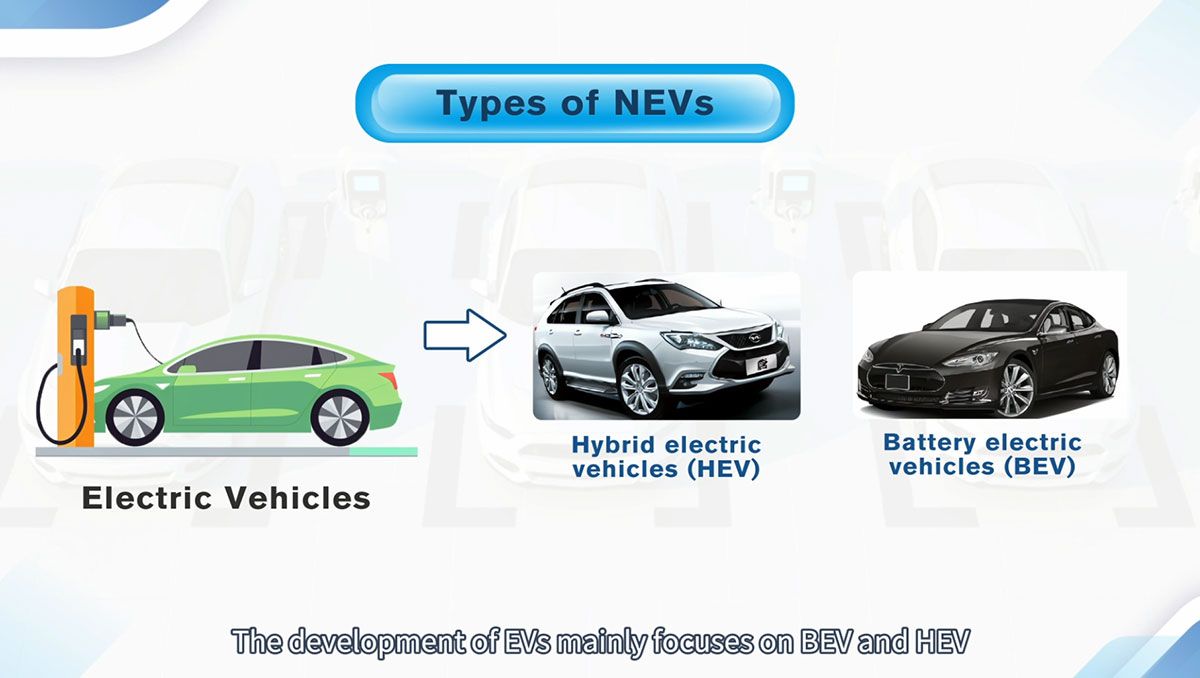
Definition and classification of Electric Vehicles (pure electric vehicles, extended-range electric vehicles, hybrid electric vehicles, fuel cell electric vehicles, etc.).

Electric Vehicles technology principles and development trends.
2. Structure and principle of Electric Vehicles


Battery system structure and principles (types, working principles and performance characteristics of lithium-ion batteries, nickel-metal hydride batteries, etc.; battery management systems, battery thermal management technologies).


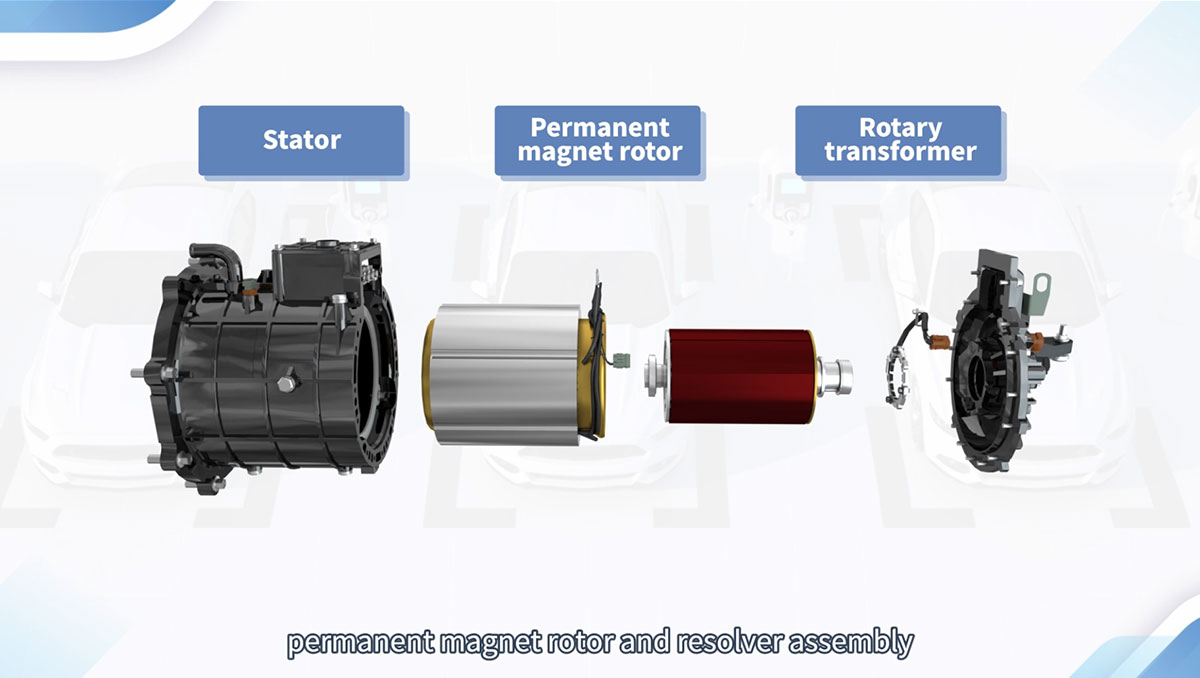
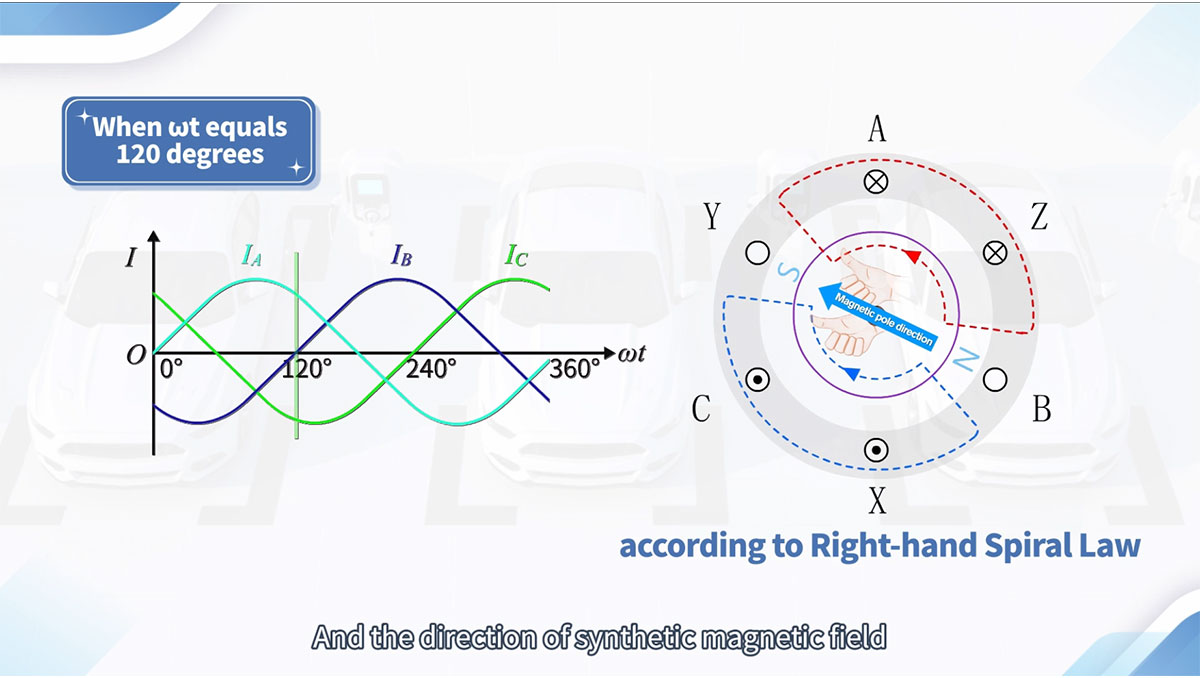
Motor and control system structure and principle (types, working principles and performance characteristics of permanent magnet synchronous motors, AC asynchronous motors, etc.; motor control system functions, composition and working principles).
Vehicle CAN communication network topology and electrical network topology.
3. Introduction to maintenance tools and equipment


Use of diagnostic tools, host computer software, etc., and reading of fault codes, data stream analysis.
4. Common fault diagnosis and troubleshooting methods

Power battery fault diagnosis and troubleshooting (internal resistance measurement, balanced charging, temperature and voltage acquisition faults, etc.).
Motor and electronic control system fault diagnosis and troubleshooting (temperature sensor measurement, component withstand voltage test, abnormal noise and insulation fault diagnosis, etc.).

DC/DC converter and OBC vehicle charging system troubleshooting method.
Introduction to knowledge related to electrical fault troubleshooting of the whole vehicle.
5. Basic knowledge of Electric Vehicles
Guidelines for parts replacement and maintenance
6. Basic knowledge of Electric Vehicles
Maintenance experience exchange and sharing
Course details form
| Training level | Training content | Training time | Training methods |
|---|---|---|---|
| Level 1: Electric Vehicles knowledge and high voltage safety operation | 1. Basic knowledge and development trends of Electric Vehicles | 1 day | Theoretical explanation + interactive Q&A |
| 2. High voltage safety operation specifications and accident prevention | 1 day | Theoretical explanation + practical demonstration | |
| 3. MSD repair switch insertion and removal and safety operation | 0.5 days | Practical exercises + safety guidance | |
| 4. Electric Vehicles power-off and high-voltage components understanding | 0.5 days | Practical exercises + Component Display | |
| Level 2: Electric Vehicles structural principles and key component disassembly and assembly | 1. Overall structure and working principle of Electric Vehicles | 1 day | Theoretical explanation + graphic illustration |
| 2. Power battery structure and disassembly and assembly practice | 2 days | Theoretical explanation + practical exercises | |
| 3. Motor and electronic control system structure and disassembly | 2 days | Theoretical explanation + practical exercises | |
| 4. Principle of DC/DC converter and OBC vehicle charging system | 1 day | Theoretical explanation + equipment display | |
| Level 3: Electric Vehicles maintenance and performance testing | 1. Daily maintenance and care specifications for Electric Vehicles | 1 day | Theoretical explanation + practical demonstration |
| 2. Use diagnostic equipment for fault diagnosis and data analysis | 2 days | Practical exercises + data interpretation | |
| 3. Diagnostic and repair solutions for specific brands such as Tesla | 1 day | Theoretical explanation + practical case study | |
| 4. CAN/LIN communication network troubleshooting | 1 day | Practical exercises + network topology analysis | |
| Level 4: Electric Vehicles battery, motor and electronic control fault diagnosis | 1. Power battery in-depth fault diagnosis and troubleshooting | 2 days | Practical exercises + case analysis |
| 2. Advanced fault diagnosis of motor and electronic control system | 2 days | Practical exercises + circuit diagram analysis | |
| 3. DC/DC converter and OBC troubleshooting and repair | 1 day | Practical exercises + equipment use guidance | |
| 4. Comprehensive diagnosis of vehicle electrical system faults | 1 day | Comprehensive drill + actual case analysis |
Empowering Global EV Talent: Skills Development for Industry Growth
Empowering Global EV Talent: Skills Development for Industry Growth
Yes. We provide graded courses. Level 1 is designed for beginners and only requires basic automotive knowledge. It is recommended to study the online pre-study materials provided in advance.
The course covers mainstream brands such as Tesla, BYD, BMW, etc., and also teaches general diagnostic methods. Enterprise customized courses can specify brands.
Use isolated training equipment (working voltage <60V), equipped with emergency power-off system, and all practical operations are carried out under the supervision of the instructor.
Hybrid mode: simulators are used for high-voltage systems, and retired real cars (safety treatment has been done) are used for routine maintenance.
Exactly the same, including original diagnostic instruments (such as Tesla Toolbox) and mainstream third-party equipment (such as Bosch).
We provide free technical consultation for life, and the response time is less than 2 hours (24/7 support for emergency issues).